Middle East Copper Wire Drawing Control Cabinet Case Study
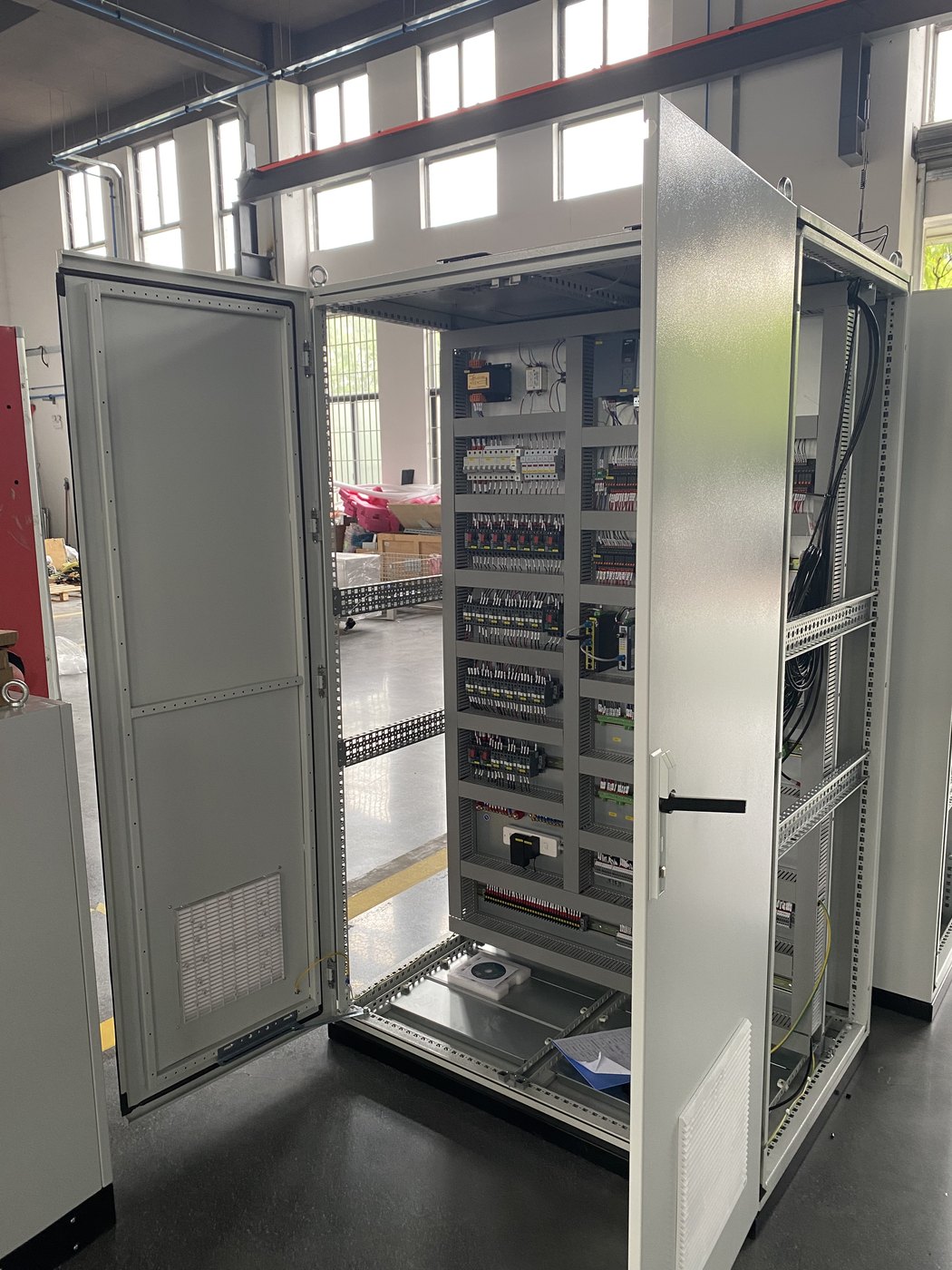
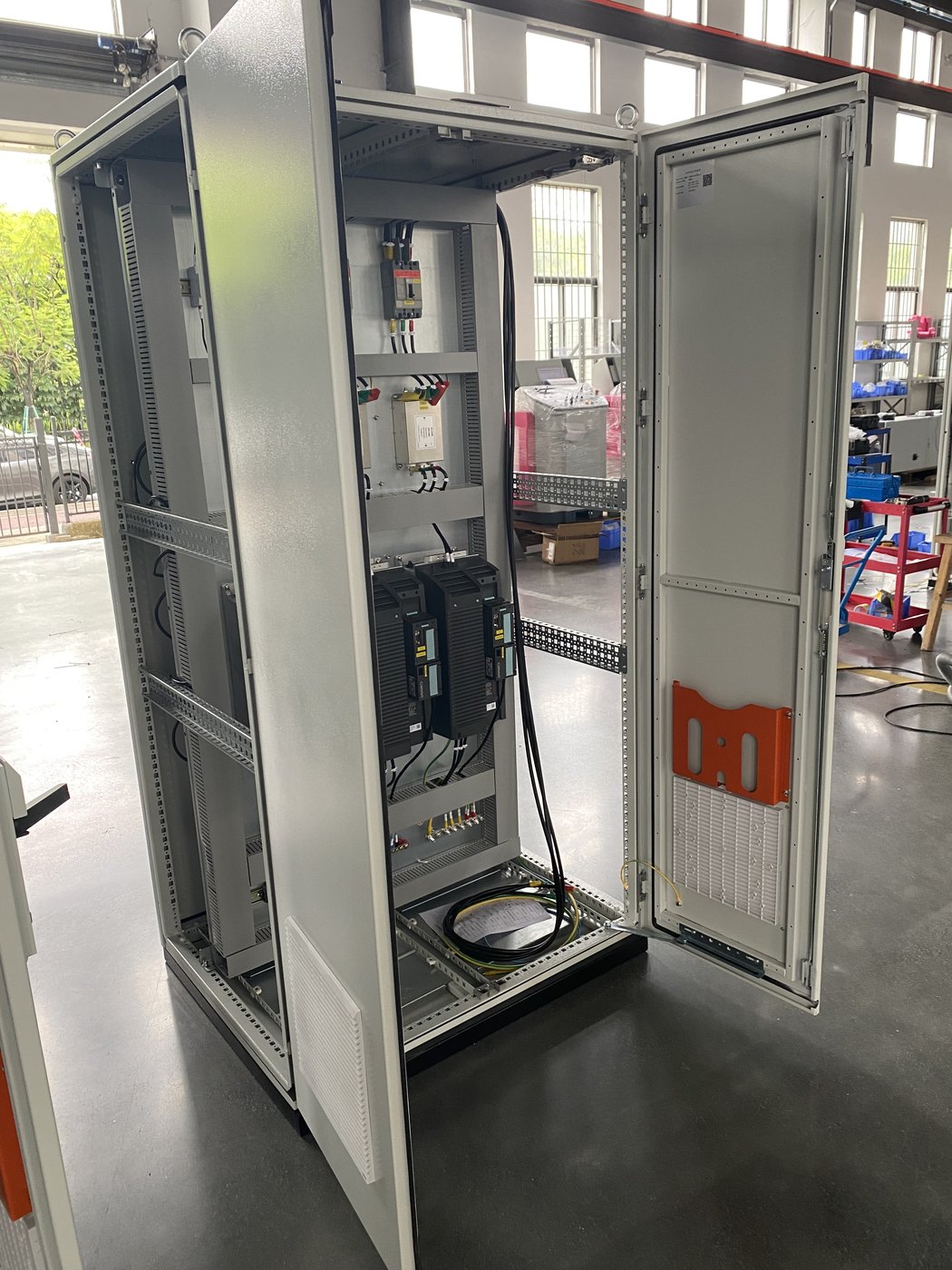
This confidential Middle East project focused on Siemens PLC-based control cabinets for a Middle East metal-processing customer. The main goal was to improve cabinet reliability, safety interlocking, commissioning efficiency, and long-term maintainability without disclosing the customer name or exact site location.
Related Project Reference
For the full project reference, including scope summary and photo gallery, view the dedicated Middle East copper wire drawing control cabinet case page.
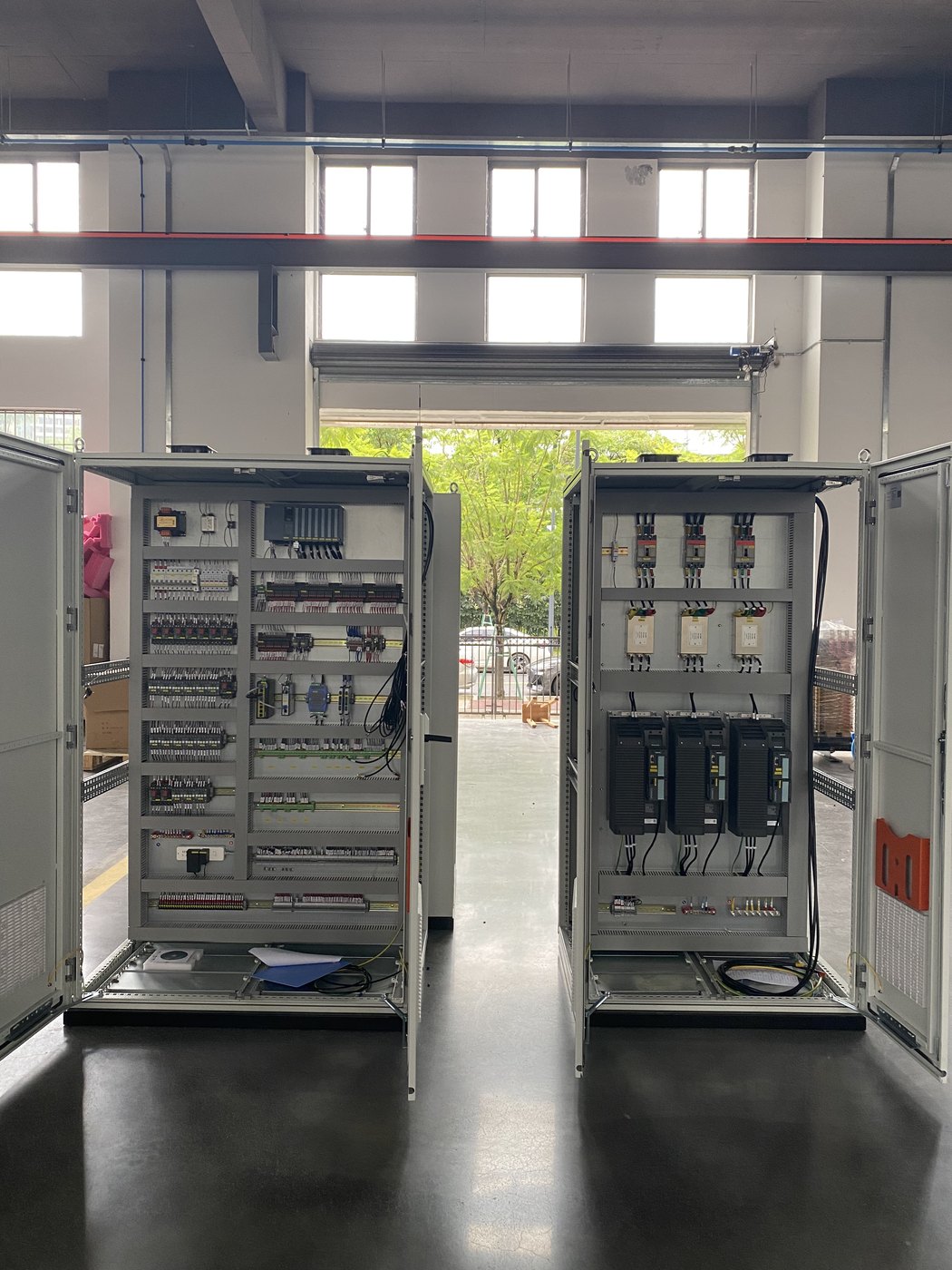
In industrial automation, the difference between a system that merely works and a system that runs reliably every day often comes down to the engineering quality behind the control cabinet. For this confidential Middle East project, VectorTech Controls supported an copper rod forming and copper wire drawing machinery application where stability, communication performance, commissioning efficiency, and safety interlocking were all critical.
The customer needed a control solution that could coordinate multiple devices, maintain stable communication under demanding site conditions, and reduce the risk of downtime. After evaluating the application requirements, Siemens PLC was selected as the core control platform for the energy panel and related automation cabinets.
Project Background
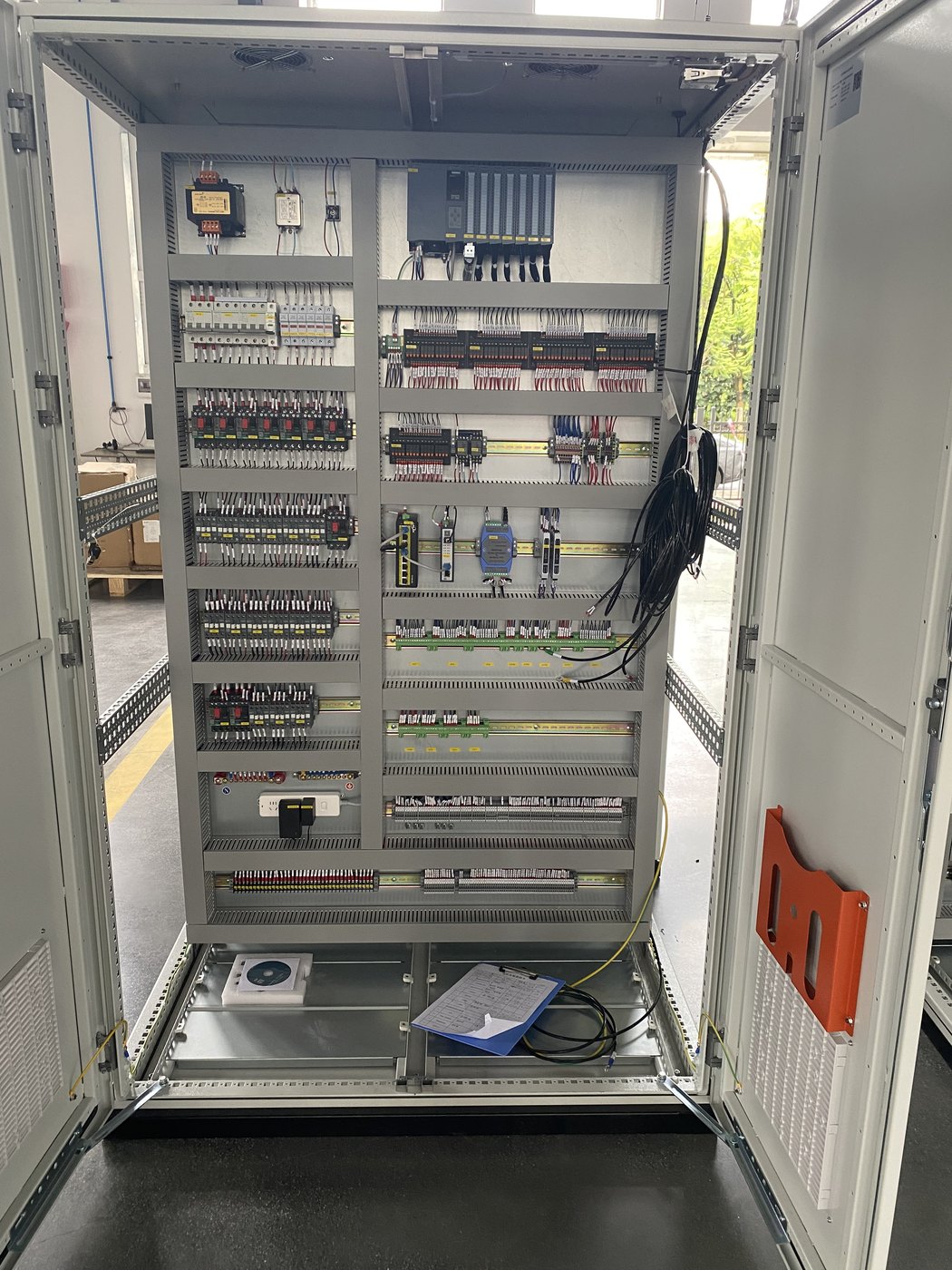
This project was based on a real metal-processing site in the Middle East. Because the customer information is confidential, the company name and exact site address are not published. The engineering requirement was clear: deliver a practical Siemens PLC-based cabinet solution that could support stable operation, organized wiring, clear troubleshooting, and future maintenance.
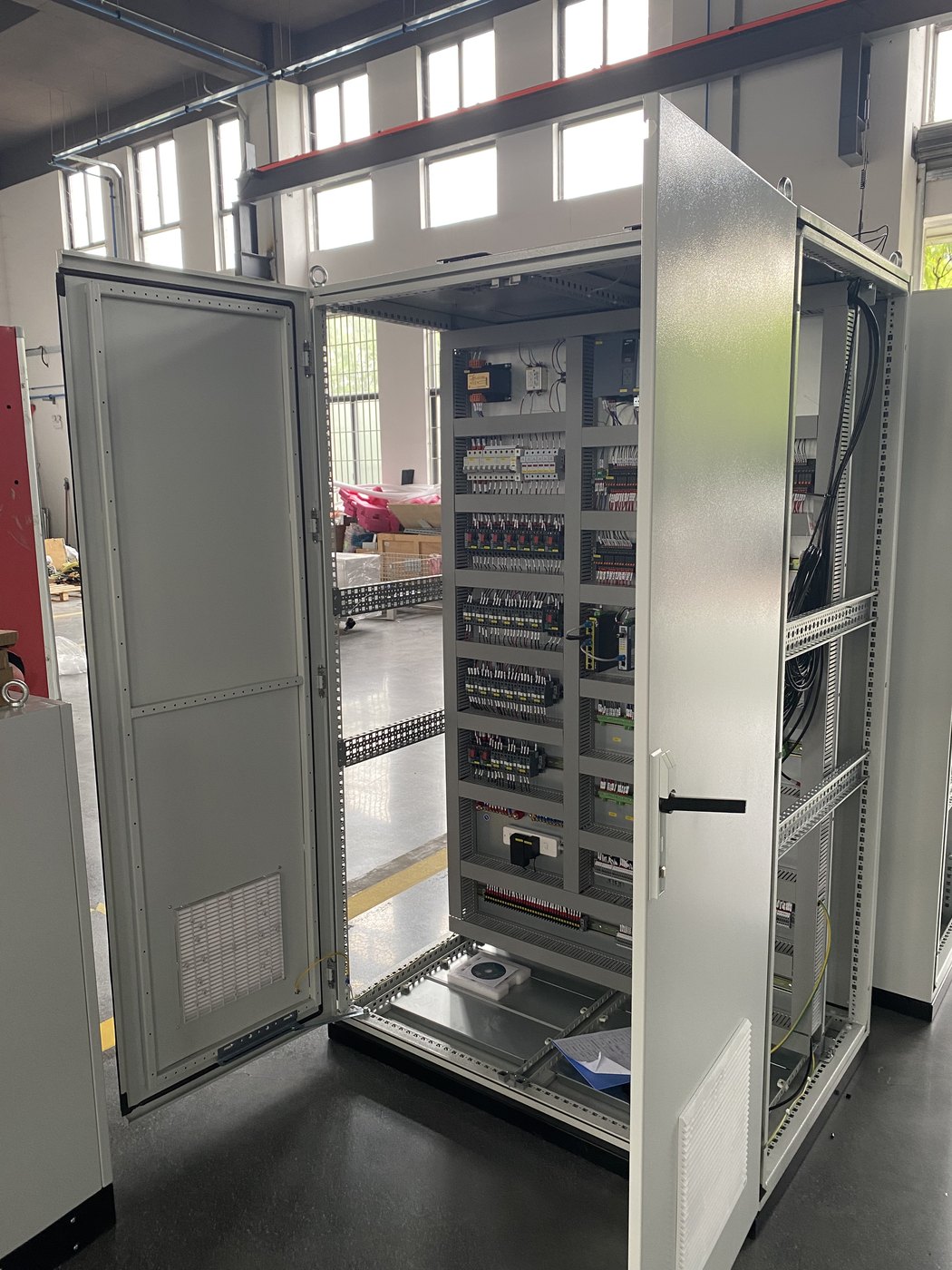
For this type of copper wire drawing control cabinet project, reliability is not only about selecting branded components. The cabinet layout, terminal organization, labeling, protection logic, and communication structure all affect how quickly the system can be commissioned and how safely it can be serviced later.
Main Challenges
The customer’s main challenges were straightforward but important:
- Maintain stable control of multiple cabinet-connected devices and field signals
- Ensure reliable communication between the Siemens PLC and auxiliary equipment
- Reduce commissioning time and troubleshooting complexity
- Improve safety interlocking for operators and equipment protection
- Keep the cabinet structure maintainable for future site upgrades
In industrial plants, these issues are often connected. When communication is unstable, commissioning takes longer. When the control architecture is not clear, maintenance becomes harder. When safety logic is incomplete, the risk to both operators and equipment increases.
Why Siemens PLC Was Chosen
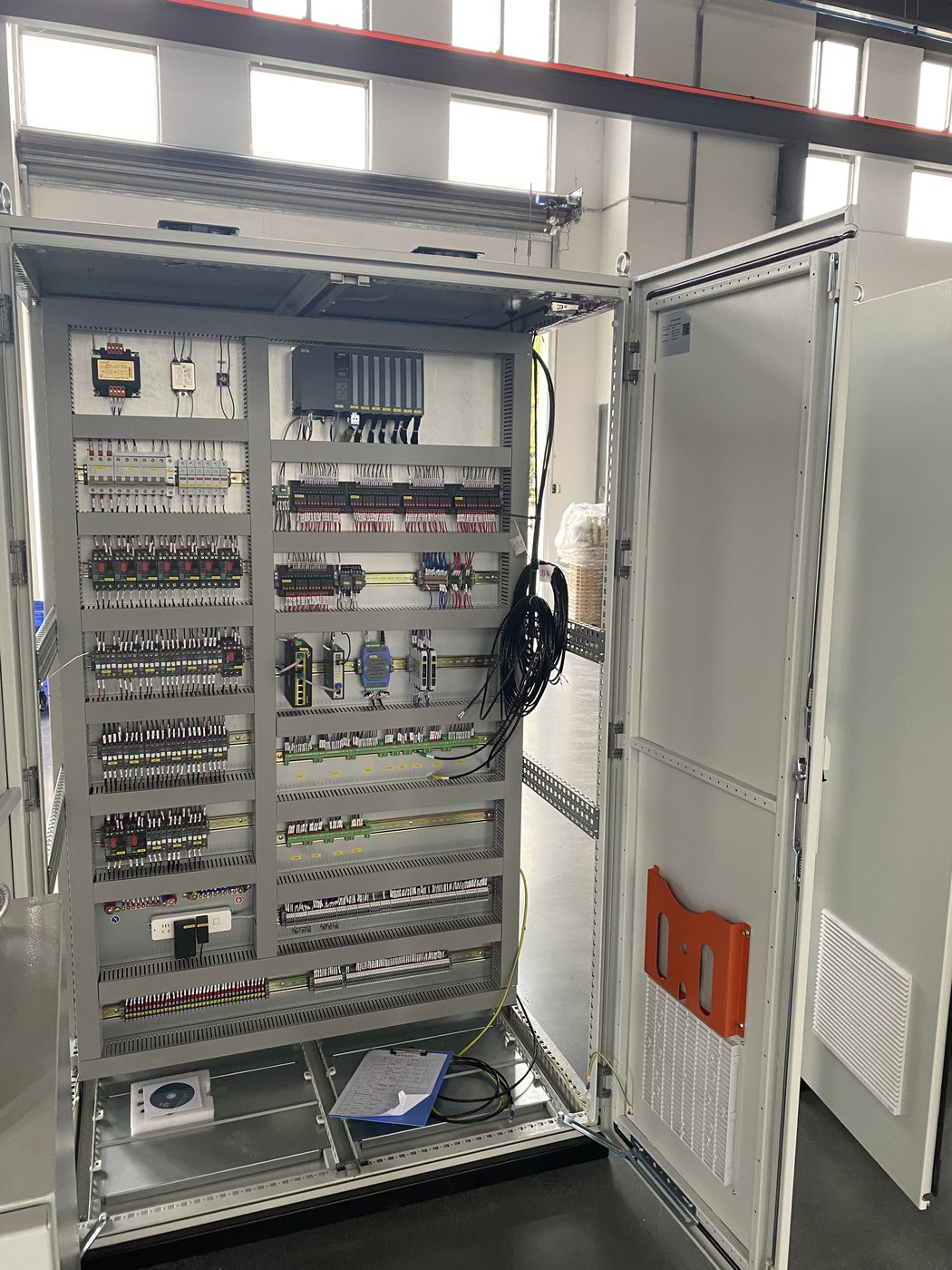
Siemens PLC was chosen for this project because it offered a practical balance of stability, flexibility, and engineering familiarity.
First, Siemens PLC systems are well suited to industrial environments that require reliable real-time control. Their communication structure makes it easier to connect key devices and maintain stable data exchange during operation.
Second, the TIA Portal environment simplifies programming, debugging, and later maintenance. For a production line that may need parameter tuning or logic adjustments in the future, this is a major advantage.
Third, Siemens PLC is easier to integrate into broader automation systems. In this project, the control platform needed to coordinate with supporting equipment and deliver a structure that plant engineers could understand and maintain over time.
System Integration Approach
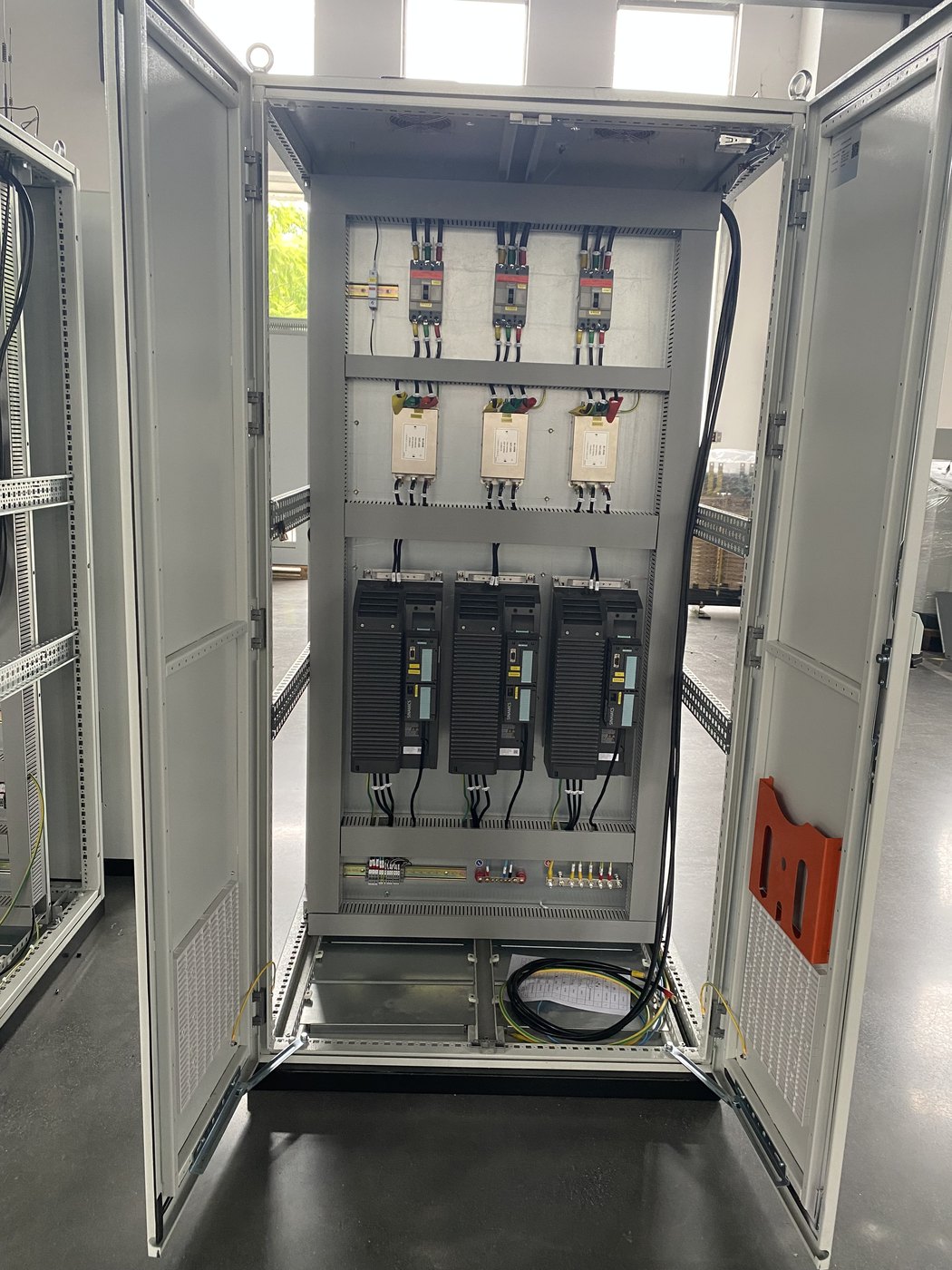
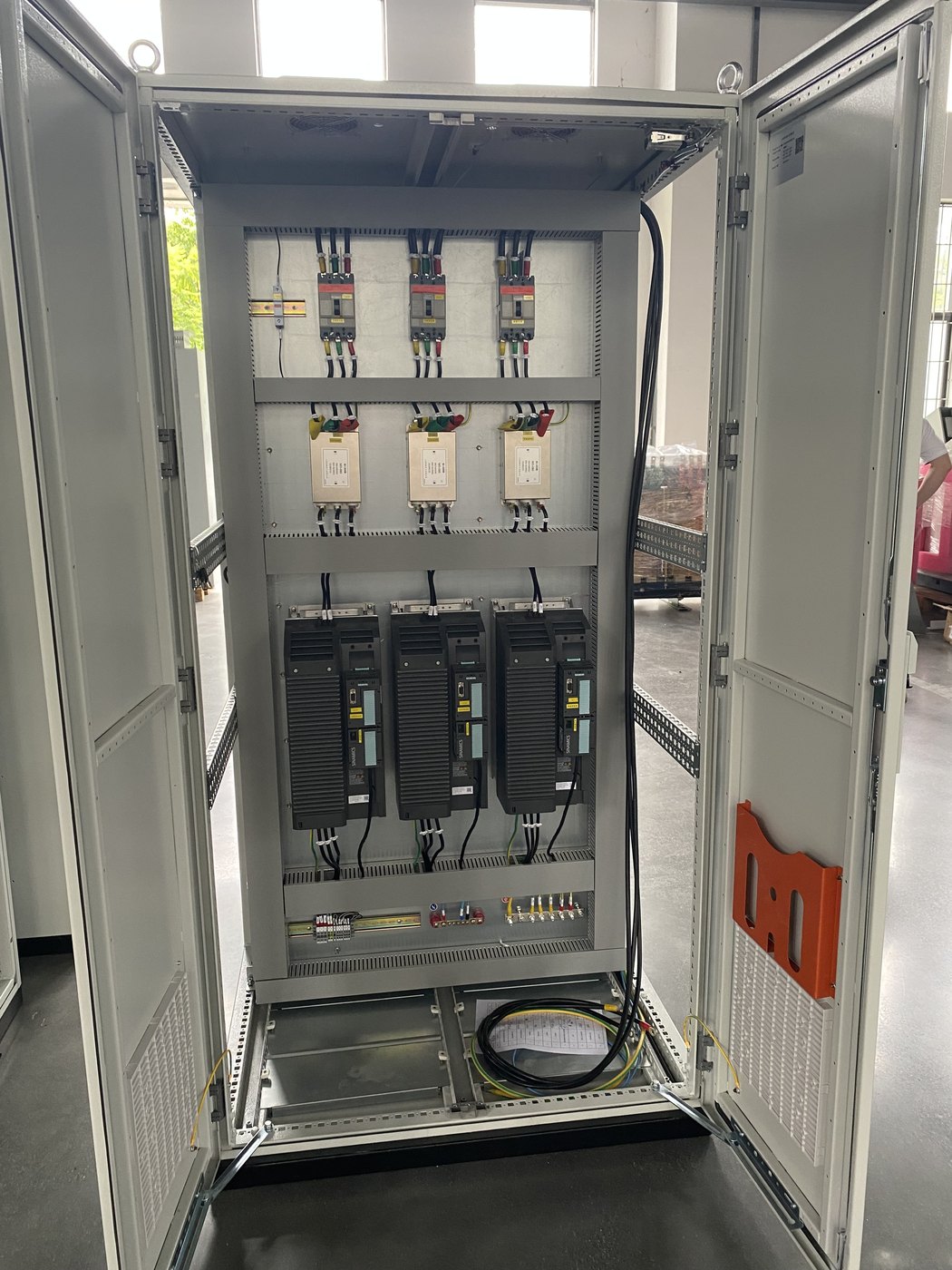
The control solution was built around a Siemens PLC-based architecture that handled the main logic, interlocking, and equipment coordination for the cabinet system.
The integration work focused on:
- PLC control logic for the main production process
- Communication with auxiliary devices and field equipment
- Safety interlocking to protect operators and machinery
- Alarm handling for fault detection and response
- Stable signal exchange for consistent operation during commissioning and production
Instead of creating a complicated structure that would be difficult to maintain, the system was organized to keep the logic clear and practical. This makes it easier for future technicians to troubleshoot or expand the system when production requirements change.
Safety and Reliability
Safety was one of the most important design priorities in this project. In an copper wire drawing machinery control cabinet, the system must not only run the process but also respond correctly when abnormal conditions occur.
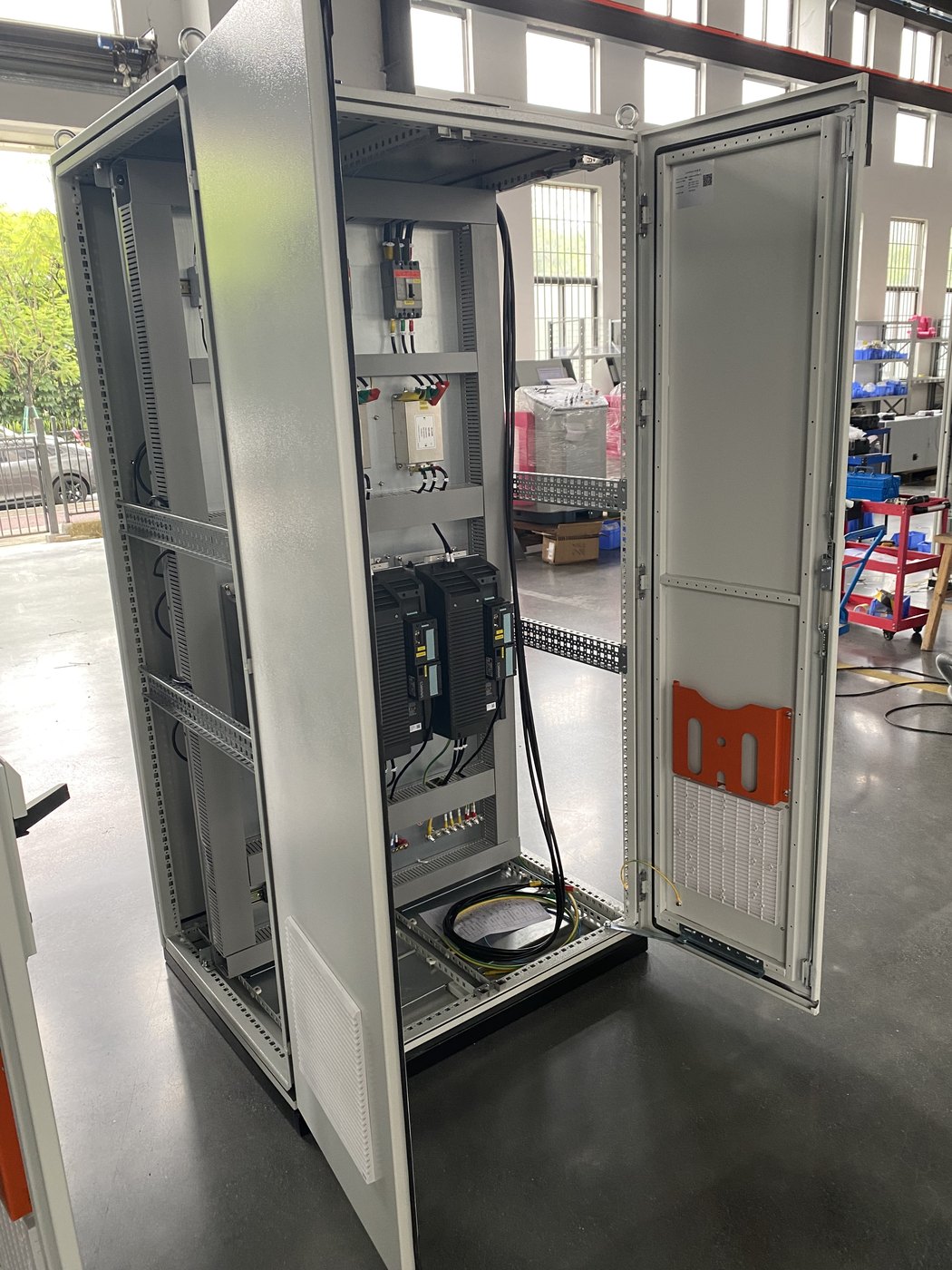
To support that goal, the system was designed with safety interlocking and fault response logic so that equipment could stop or isolate correctly when necessary. This helped reduce the chance of equipment damage and improved confidence during operation.
Reliability was also considered from a maintenance perspective. A good industrial control system is not just one that performs well on day one; it is one that remains understandable and serviceable after months or years of use.
Commissioning and On-Site Results
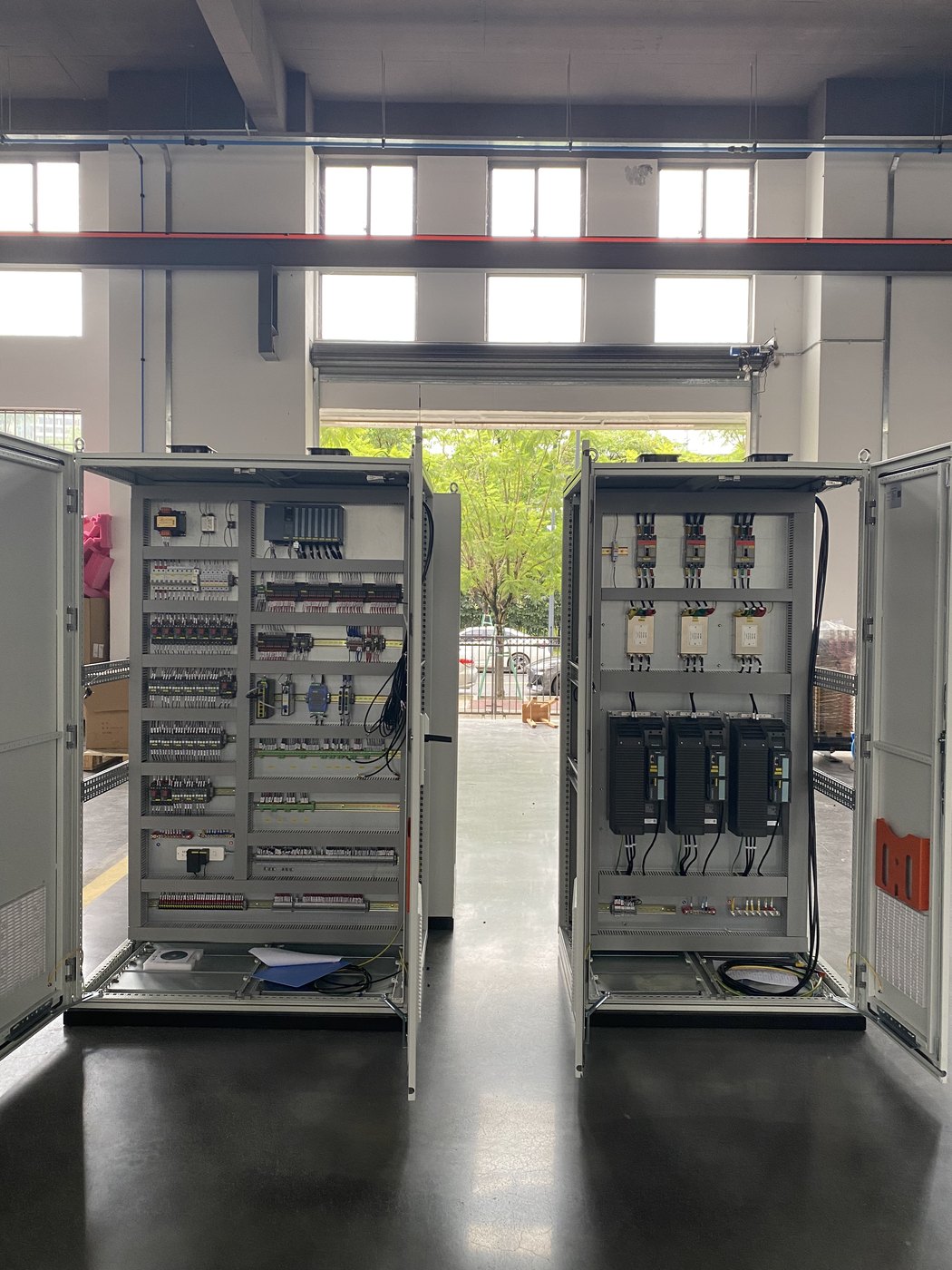
During commissioning, the Siemens PLC-based system helped simplify the debugging process and improved the coordination between different devices. The engineering team was able to complete logic verification, communication checks, and operational testing with a clearer control structure.
As a result, the customer gained a system that was easier to commission and more dependable in daily operation. The production line benefited from stronger stability, better signal coordination, and a more practical maintenance path for future support.
If measured in business terms, the value was not only technical. A stable control cabinet reduces downtime risk, lowers troubleshooting effort, and helps production move more consistently.
Why This Matters for Energy Panels and Industrial Cabinets
Although this project is presented anonymously, the same engineering principles apply to energy panels, automation cabinets, and industrial electrical systems in many export projects.
When a control system is built for real-world industrial use, it must do more than just meet the wiring diagram. It must stay stable under site conditions, communicate clearly with connected devices, protect operators and equipment, remain easy to maintain, and support future upgrades without a full redesign.
This is why Siemens PLC is often selected for industrial energy panel projects where reliability and long-term maintainability matter as much as initial commissioning.
Conclusion
This project shows how Siemens PLC can be used as a stable and practical control core for industrial automation cabinets and energy panel applications. By focusing on communication reliability, safety interlocking, commissioning efficiency, and maintainability, the final system met the customer’s operational needs while leaving room for future expansion.
For industrial clients planning a new control cabinet or energy panel project, the key is not just choosing a well-known PLC brand. The real value comes from matching the control platform to the site conditions, production requirements, and long-term maintenance goals.
If you are planning a similar project, our team can help evaluate your requirements, review your drawings, and build a solution that is ready for real industrial use.
Related Case
Middle East Copper Wire Drawing Control Cabinet
Stable case page with project scope, gallery, inspection notes, and inquiry path.
More Cases
Control Cabinet Case Studies
Explore PLC, VFD, SCADA, HVAC, water treatment, and production-line cabinet projects.
RFQ
Send Your Project Details
Share drawings, I/O list, site photos, component brands, voltage, and delivery country.
Need a Custom Control Panel?
Our engineering team supports Siemens PLC-based industrial cabinets, energy panels, and custom automation systems from China for international projects.